PHULCHHAB RAM KATHA, RAJKOT
Introduction to Ramcharitmanas, the Ramayana tradition, and Morari Bapu's approach.
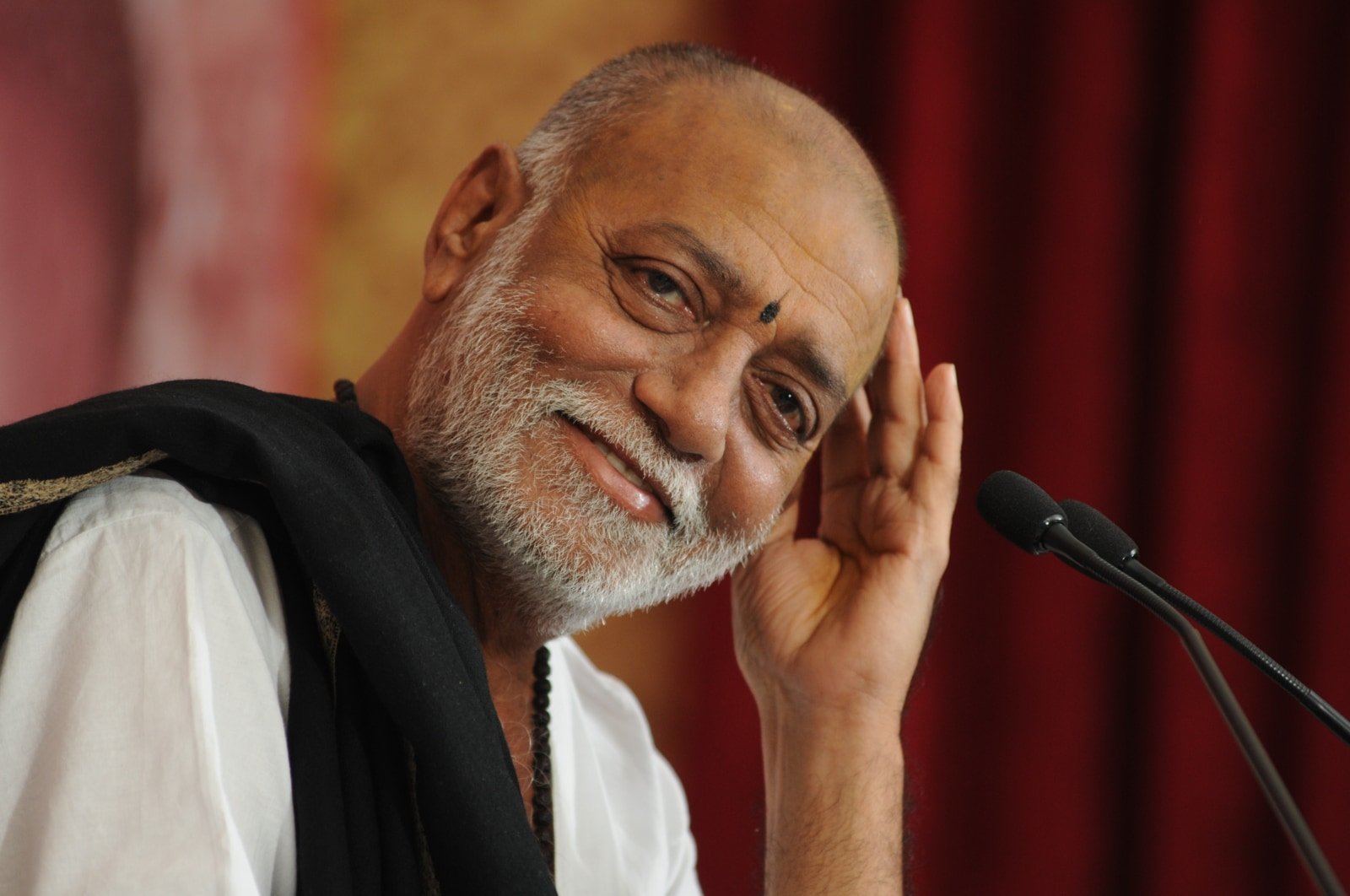
The Ramayana is one of India’s two great Sanskrit epics attributed to the sage Valmiki. As a tale of Lord Ram’s life and exile, it is both a moral and spiritual guide, upholding the triumph of dharma (righteousness) over adharma (evil). Over the centuries, the epic has been retold in countless languages and traditions across South and Southeast Asia, each version reflecting the ethos of its own culture while preserving the central image of Lord Ram as the embodiment of virtue. Goswami Tulsidas’ Shri Ramcharitmanas (16th century) holds a unique place. Composed in Awadhi, it carried the story of Lord Ram out of the Sanskritic sphere and into the hearts of the common people. Its seven kands (cantos) mirror the structure of Valmiki’s epic, but its lyrical chaupais (quatrains) emphasize devotion (bhakti), humility, and compassion, making it a central text in the religious and cultural life of northern India. For Morari Bapu, the Ramcharitmanas is both anchor and compass. Every one of his nine-day Kathas is rooted in this text. He begins by selecting two lines from Tulsidas’ verses, which then become the central theme of the discourse. Around them, Bapu blends scripture, philosophy, poetry, humour, and contemporary reflection, bringing the timeless wisdom of the Ramcharitmanas into dialogue with the concerns of modern life.